
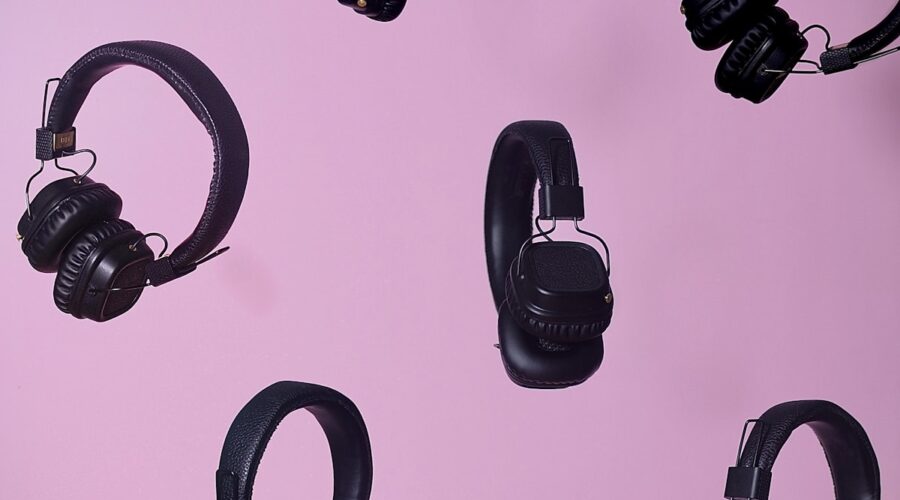
The debate between wired and wireless headphones has existed for years, with audio purists often insisting that wireless connections inherently compromise sound quality. As wireless audio technology has matured considerably, it’s worth revisiting this debate with a clear, honest look at what’s actually true today rather than outdated assumptions.
How Wireless Audio Compression Actually Works
Bluetooth audio transmission requires compressing audio data to fit within available wireless bandwidth, using audio codecs that reduce file size while attempting to preserve perceived sound quality. Modern codecs have become considerably more sophisticated than early Bluetooth audio standards, narrowing the practical difference for the vast majority of listeners in typical listening conditions.
Where Wired Still Has a Genuine Edge
For critical, focused listening in a quiet environment with high-quality source material, a well-implemented wired connection can still deliver marginally better fidelity, particularly for very high-resolution audio formats that exceed what current wireless codecs can transmit without compression. Professional audio engineers and serious audiophiles doing critical listening work still generally prefer wired connections for this reason.
Where the Difference Has Become Negligible
For the vast majority of everyday listening — commuting, exercising, casual music and podcast listening — modern wireless codecs perform closely enough to wired connections that most listeners cannot reliably distinguish between them in blind listening tests. The convenience benefits of wireless — no tangled cables, freedom of movement, compatibility with phones lacking headphone jacks — generally outweigh a difference in sound quality that’s difficult to perceive in typical listening environments.
Latency: A More Practical Concern Than Fidelity
For most casual listeners, wireless latency — the small delay between audio being sent and heard — is a more noticeable practical concern than raw sound fidelity, particularly when watching video content where audio can become slightly out of sync with picture. Higher-end wireless codecs have significantly reduced this latency, though it’s worth checking specifically for low-latency mode support if you frequently watch video content through wireless headphones.
Battery Dependency
An underrated practical advantage of wired headphones is the complete lack of battery dependency — they simply work whenever plugged in, with no charging required. This matters more for professional or mission-critical use cases where headphones failing due to a dead battery at an inconvenient moment would be genuinely disruptive, such as during a live broadcast or important recording session.
Making the Right Choice for Your Use Case
For most everyday listening, commuting, and casual music enjoyment, wireless headphones offer a compelling combination of convenience and sound quality that has closed the practical gap with wired options considerably. For critical studio work, extremely high-resolution audio files, or situations where battery dependency is a genuine risk, wired headphones remain the more reliable and technically superior choice.
The Bottom Line
The old assumption that wireless headphones inherently sound noticeably worse than wired ones no longer holds up for the vast majority of everyday listening scenarios. The decision between wired and wireless today is better framed around convenience, use case, and specific critical listening needs rather than a blanket assumption about sound quality.