
Building a smart home for the first time can feel genuinely overwhelming, with dozens of competing brands, confusing compatibility standards, and an enormous range of devices claiming to make your home “smarter.” This guide breaks down a practical, low-stress starting point for beginners rather than trying to automate everything at once.
Start With a Single Useful Problem
Rather than buying an entire ecosystem of devices at once, it’s far more practical to start by solving one specific daily annoyance — perhaps forgetting to turn off lights, wanting voice control for music, or wanting to see who’s at the door remotely. Solving one genuine problem well builds confidence and understanding before expanding further, and avoids the common mistake of an expensive, half-used collection of gadgets.
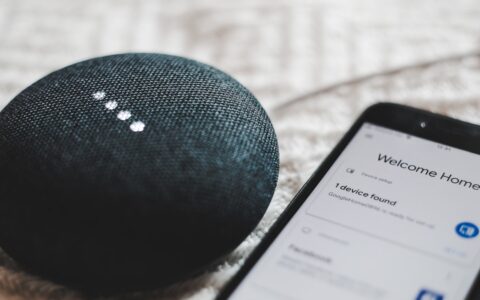
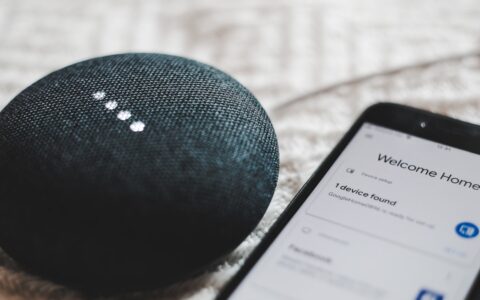
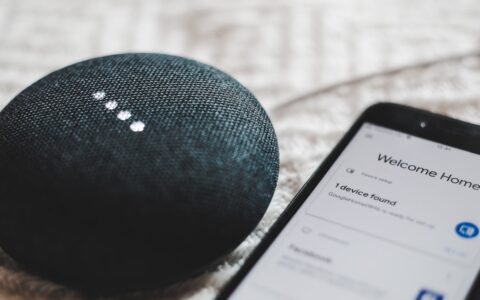
Choosing a Smart Speaker or Hub as Your Foundation
A smart speaker or dedicated hub typically becomes the central control point for voice commands and automation routines. Choosing one that’s compatible with the wider range of smart home standards, rather than one locked tightly to a single brand’s ecosystem, gives you more flexibility to add devices from different manufacturers later without compatibility headaches.
Understanding Smart Home Standards
Smart home compatibility has historically been fragmented, with different brands supporting different wireless protocols and requiring separate apps. The emergence of unified compatibility standards in recent years has meaningfully simplified this, allowing devices from different manufacturers to work together through a single app and voice assistant, though it’s still worth checking specific compatibility before purchasing, since adoption isn’t universal across every product category yet.
Smart Lighting: Often the Best Starting Point
Smart lighting is frequently recommended as a first smart home purchase because it delivers an immediately noticeable, satisfying improvement to daily life — voice-controlled lights, automated schedules, and the ability to adjust brightness and color without getting up. It’s also relatively affordable to start small with a single room before expanding to the whole home.
Smart Plugs: An Affordable Gateway Device
Smart plugs are one of the most affordable and flexible ways to add basic smart control to existing devices that aren’t inherently “smart,” such as lamps, fans, or coffee makers. They’re an excellent low-cost way to experiment with automation and scheduling before committing to more expensive dedicated smart devices.
Security and Privacy Considerations
Smart home devices, by their nature, are connected to your home network and often to the internet, which introduces genuine privacy and security considerations worth taking seriously. Using strong, unique passwords for your smart home accounts, keeping device firmware updated, and researching a manufacturer’s data privacy practices before buying, particularly for devices with cameras or microphones, are all worthwhile precautions.
Avoiding Common Beginner Mistakes
A common mistake is buying devices from multiple incompatible ecosystems without checking they’ll work together, resulting in a frustrating collection of separate apps rather than a unified smart home experience. Another common mistake is over-automating too quickly, creating overly complex routines that become confusing to troubleshoot when something inevitably doesn’t work as expected.
Expanding Gradually
Once you’re comfortable with your initial smart home setup, gradually expanding to additional rooms and device categories — locks, thermostats, security cameras — becomes much more manageable, since you’ll already understand your chosen ecosystem’s app, automation features, and general behavior patterns from your initial experience.